
Hardwood floor restoration is one of the most financially rewarding projects a homeowner can take on, yet it rarely gets the credit it deserves. Most people treat it as a purely cosmetic decision, something you do when the floors look bad. But the numbers tell a different story. Refinishing hardwood floors can deliver an estimated 147% ROI, with buyers willing to pay up to $5,000 more for homes with restored floors. If you’re sitting on dull, scratched hardwood right now, you’re likely sitting on untapped equity.
Table of Contents
- The real financial impact of hardwood restoration
- Restoration versus replacement: What delivers the best value?
- Aesthetic benefits: How restored hardwood changes the look and feel
- Common mistakes and smart strategies in hardwood restoration
- Why hardwood restoration is the investor move most homeowners miss
- Ready to boost your home’s value with professional hardwood restoration?
- Frequently asked questions
Key Takeaways
| Point | Details |
|---|---|
| High ROI potential | Restoring hardwood floors often returns more than the initial investment. |
| Buyers pay extra | Quality hardwood floors draw buyer premiums and increase home sale prices. |
| Restoration over replacement | Most structurally sound floors benefit more from restoration than costly replacement. |
| Aesthetic and financial benefit | Restoration improves look and value, making your home more appealing and marketable. |
| Expert strategy matters | Consulting professionals prevents common mistakes and maximizes restoration rewards. |
The real financial impact of hardwood restoration
Let’s dig deeper into why the numbers behind hardwood restoration matter for resale and long-term property value.
Most homeowners assume that big renovations like kitchen remodels or bathroom upgrades are the fastest path to higher home value. Those projects can cost $30,000 or more with modest returns. Hardwood restoration flips that math completely. The cost to refinish is often a fraction of a full renovation, yet the return is disproportionately strong.
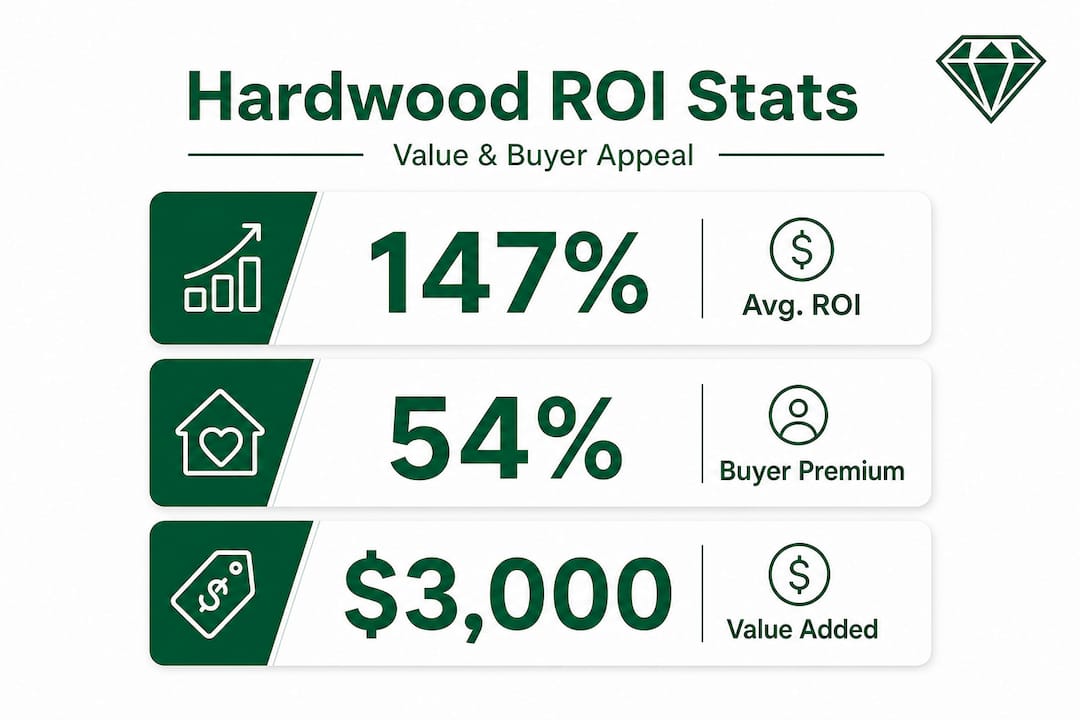
The 147% ROI on refinishing is not a rounding error. It means that for every dollar you spend, you get more than a dollar back in added value. That’s rare in home improvement. Compare that to a major kitchen remodel, which NAR data consistently shows returning around 50 to 60 cents on the dollar.
Here’s a quick side-by-side look at why restoration wins on a financial level:
| Project | Avg. Cost | Est. ROI | Value Added |
|---|---|---|---|
| Hardwood restoration | $1,000 to $3,000 | 147% | Up to $5,000+ |
| Kitchen remodel (major) | $30,000+ | 50 to 60% | $15,000 to $18,000 |
| Bathroom remodel | $10,000 to $20,000 | 55 to 70% | $5,500 to $14,000 |
| New carpet installation | $2,000 to $5,000 | 25 to 50% | $500 to $2,500 |
The contrast is stark. Hardwood restoration gives you a high-leverage move at a relatively low cost.
Beyond pure dollars, restored floors signal something important to potential buyers: the home has been maintained. A buyer walking through a property with gleaming, smooth hardwood floors immediately reads care and quality. Scratched, dull, or stained wood sends the opposite message, raising questions about what else might have been neglected. This psychology plays directly into how buyers make offers. Here’s a summary of the core financial benefits:
- Higher sale price: Buyers routinely pay a premium for restored versus original condition floors.
- Faster sales cycle: Well-maintained homes move more quickly on the market, reducing carrying costs.
- Stronger negotiating position: Sellers with restored floors have fewer concession requests from buyers.
- Reduced inspection risk: Professionally refinished floors are less likely to trigger value-reducing inspection notes.
Our refinishing benefits guide breaks down each of these points in even greater detail, and our professional refinishing services are designed to maximize every one of them for tri-state homeowners.
Restoration versus replacement: What delivers the best value?
Understanding the ROI is one thing, but homeowners need practical guidance on whether restoration or replacement is right for their situation.
This is the question we hear most often, and the answer almost always points toward restoration for structurally sound floors. Restoring existing hardwood is far more cost-effective than ripping out and replacing it. Full replacement involves removing old material, purchasing new wood, and installing it, a process that can cost three to five times more than refinishing. Unless the floor is genuinely beyond saving, replacement is rarely the smarter financial choice.
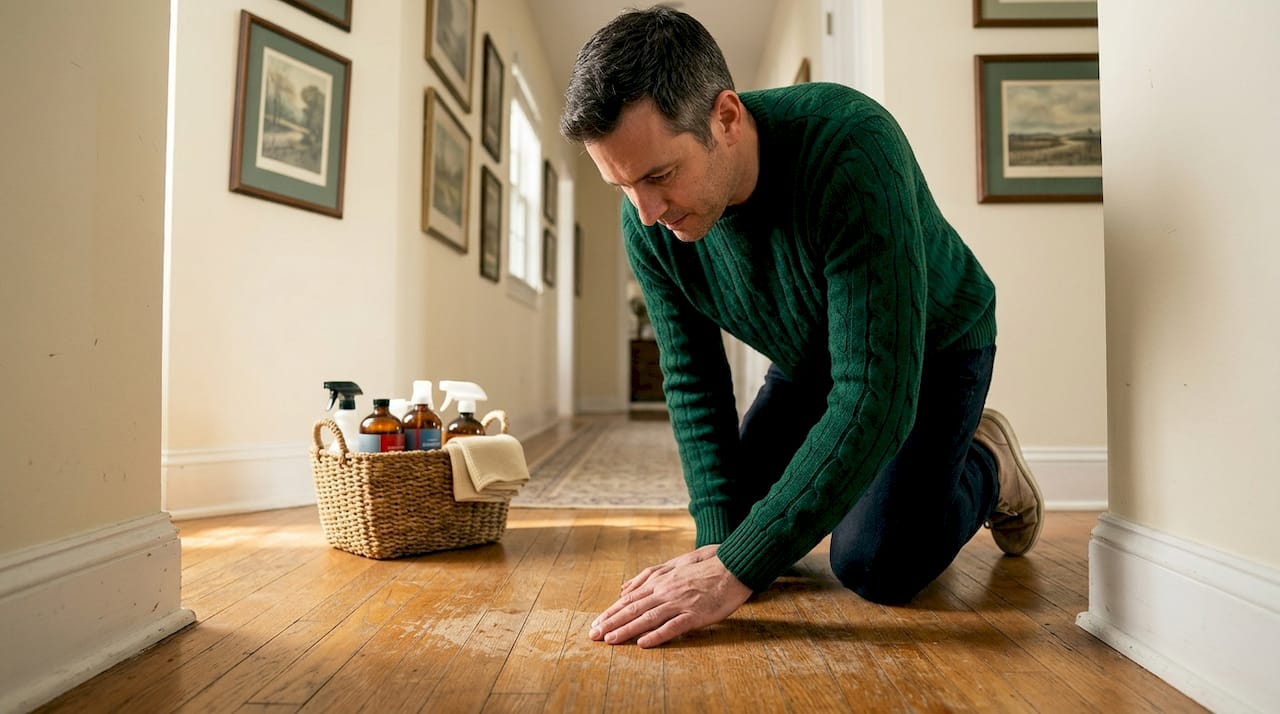
Here’s how restoration and replacement compare across the factors that matter most:
| Factor | Restoration | Replacement |
|---|---|---|
| Cost | $1,000 to $3,000 | $5,000 to $15,000+ |
| Timeline | 1 to 3 days | 1 to 2 weeks |
| Disruption | Low | High |
| ROI potential | Up to 147% | 50 to 70% |
| Best for | Structurally sound wood | Damaged beyond repair |
| Environmental impact | Lower (existing material) | Higher (new resources) |
To decide which path is right for your home, walk through this process before making any calls:
- Check the plank thickness. Most solid hardwood floors can be sanded multiple times over their lifetime. If you can feel the tongue of the plank near a wall vent or doorway, the floor likely has enough material left for sanding.
- Look for cupping or buckling. Boards that curve upward at the edges or arch in the middle often indicate a moisture problem. Refinishing over unresolved moisture leads to finish failure.
- Inspect for soft spots. Walk slowly across every room. Soft or spongy areas can signal subfloor damage, which must be addressed before any surface work.
- Count previous refinish jobs. Ask about the home’s history. If the floor has been sanded multiple times, it may be near its limit. A professional inspection will confirm this quickly.
- Assess stain depth. Surface-level staining from everyday use responds well to refinishing. Deep black stains, often from pet urine, may have penetrated the wood itself and could require board replacement rather than full floor replacement.
Pro Tip: Before spending a dollar on products or labor, schedule a professional floor assessment. An experienced refinisher can tell within minutes whether your floors are restoration candidates or whether targeted board replacement is more practical. This single step saves homeowners hundreds of dollars and weeks of frustration.
Our refinishing guide walks through each decision point in clear detail so you can come to any consultation already informed.
Aesthetic benefits: How restored hardwood changes the look and feel
With financial value covered, it’s time to explore how hardwood transformation impresses buyers and upgrades your space.
Numbers matter, but buyers are also human beings responding to what they see and feel when they walk through your front door. The visual impression of a home in the first 30 seconds shapes the entire showing experience. Hardwood floors are one of the first things people notice, and the condition of those floors sets the emotional tone for everything else.
“About 54% of buyers say they would pay more for homes with quality hardwood floors, making it one of the highest-rated interior features in buyer surveys.”
That’s more than half of all buyers actively seeking this feature and willing to open their wallets wider for it. That’s not a niche preference. That’s a mainstream buyer expectation in today’s market.
Restored hardwood delivers a cascade of visual and atmospheric improvements that affect how every other element in the room is perceived:
- Renewed color depth: Fresh stain and finish bring out the natural grain patterns in wood, adding warmth and richness that no paint color or furniture piece can replicate.
- Light reflection: A fresh, smooth finish reflects light evenly across the floor surface, making rooms appear larger and brighter without any structural changes.
- Modern aesthetic: Updated stain colors, from cool gray tones to rich espresso shades, allow homeowners to align floors with current design trends during the refinishing process.
- Cleaner impression: Worn, scratched floors collect dirt in their grooves and look grimy even after mopping. Restored floors are genuinely easier to clean and look cleaner throughout a showing.
- Cohesive flow: When floors are consistent in color and finish throughout the home, the entire interior feels planned and intentional, which buyers associate with quality construction.
These aren’t small details. They shape the emotional experience of a home tour in ways that directly influence offer prices and time on market. Our turnkey floor services are built specifically around preparing floors for exactly this kind of buyer impact.
Common mistakes and smart strategies in hardwood restoration
To maximize returns and protect value, it’s critical to avoid common mistakes and approach restoration using expert strategies.
Restoration done well is transformative. Restoration done poorly can make things worse than doing nothing at all. Visible maintenance signals increase buyer confidence, but the wrong restoration approach can actively harm perceived value if the finish fails, the color is uneven, or underlying problems go unaddressed. Knowing what to watch for protects your investment.
Here are the most common mistakes homeowners and even inexperienced contractors make during hardwood restoration:
- Skipping moisture testing. Applying finish over a floor with elevated moisture content leads to bubbling, peeling, and delamination within months. A simple moisture meter reading before work begins prevents expensive callbacks.
- Over-sanding thin floors. Every sanding removes a thin layer of wood. Floors that have been refinished several times may be close to the tongue-and-groove joint. Sanding too aggressively on these floors can cause permanent structural damage.
- Using the wrong finish for the application. Oil-based finishes offer rich depth but require longer drying times. Water-based finishes dry faster and emit fewer fumes. Choosing the wrong product for the environment or timeline creates problems that are difficult to reverse.
- Ignoring subfloor issues. Squeaks, soft spots, and unlevel sections need to be addressed before refinishing. Finishing over these problems traps them under the new surface layer and can worsen them over time.
- DIY sanding without proper equipment. Rental drum sanders are aggressive machines. An inexperienced operator can sand a noticeable dip into a floor in seconds. This kind of damage requires board replacement, not just refinishing.
- Refinishing in the wrong humidity conditions. Ideal indoor humidity for hardwood finishing sits between 35% and 55%. Refinishing during extreme heat or cold without climate control causes finish failure.
Pro Tip: Always have a professional inspect your floors before committing to any restoration plan. A qualified floor care specialist will identify moisture issues, assess sanding potential, and recommend the right finish product for your specific wood species and traffic patterns. This one conversation can save you thousands.
Our floor care tips blog covers ongoing maintenance strategies that protect your newly restored investment for years after the job is done.
Why hardwood restoration is the investor move most homeowners miss
With practical tips covered, it’s worth rethinking restoration from an investor angle for maximum impact.
Here’s what we’ve observed since 2014 working with homeowners across the tri-state area: the people who get the most out of hardwood restoration are the ones who treat it like an investment decision, not a cleaning task. Most homeowners refinish because the floors look bad. Smart homeowners refinish because they understand the return.
The restoration decision is not just aesthetic. It signals maintenance culture and maximizes cost recovery in a way that most surface upgrades simply cannot. A fresh coat of paint tells buyers you freshened things up before selling. Restored hardwood tells buyers this home has been cared for consistently. That’s a different psychological message entirely, and buyers respond to it with their offers.
Real estate investors understand this intuitively. They rarely touch carpeting in properties with existing hardwood underneath. They restore the wood because they know the math. They know that a $2,000 restoration job on a property listed at $450,000 can move the sale price by $5,000 or more, clearing the investment several times over. This is the same logic every tri-state homeowner should apply before listing.
The other insight worth sharing is timing. Restoration before listing is obvious. But restoration while you’re living in a home is equally valuable. Every year you enjoy restored floors is a year of improved daily living quality plus compounding equity benefit. Waiting until you’re ready to sell means years of living with floors that underperform both aesthetically and financially.
Our refinishing benefits guide makes the full case for early restoration and why the homeowners who benefit most act before they’re forced to.
Ready to boost your home’s value with professional hardwood restoration?
The strategies outlined above are proven. The numbers are real. The next step is acting on them before your next listing, renovation, or even just your next decade of homeownership.
Polished JEMM Floor Care has been serving homeowners across the tri-state area since 2014, and we know exactly what it takes to maximize every square foot of your hardwood investment. Whether you need a full professional hardwood refinishing project or want to start with an overview of your options, we’re here to guide you through every decision. Our eco-friendly products and meticulous craftsmanship mean you get lasting results, not just a temporary shine. Start reviving your floors today and put those 147% returns to work for your home.
Frequently asked questions
Is hardwood restoration really worth the cost for an older home?
Yes, refinishing delivers high ROI even on older floors, often returning more value than the project costs without the disruption of full replacement.
How do I know if my floors should be restored or replaced?
If the wood is structurally sound with no major moisture damage, restoration is the better investment; replacement is only worth considering when boards are severely warped, rotted, or too thin to sand.
Will restoring hardwood floors help me sell my house faster?
Restored floors appeal to the 54% of buyers willing to pay a premium for quality hardwood, which typically shortens time on market and strengthens your negotiating position.
What mistakes should I avoid during hardwood restoration?
Never refinish over unresolved moisture or structural issues, as this causes finish failure and sand-through risks that can leave floors in worse condition than before the work started.