
Your floors do more than hold furniture. They set the tone for every room, absorb daily punishment from kids and pets, and play a real role in what buyers offer when you sell. Yet most homeowners get stuck comparing hardwood and epoxy based on photos alone, without understanding how each material actually performs under real conditions. This guide cuts through the noise by covering materials, installation realities, maintenance demands, costs, and the specific factors that matter most if you live in New Jersey, New York, or Pennsylvania.
Table of Contents
- Understanding hardwood flooring: Materials, installation, and maintenance
- Epoxy floors explained: Durability, design, and installation process
- Hardwood vs epoxy: Direct comparison of pros, cons, and costs
- Making the choice: What matters most for homeowners in the tri-state area
- Why the right flooring decision is more personal than you think
- Take the next step: Professional flooring solutions for your home
- Frequently asked questions
Key Takeaways
| Point | Details |
|---|---|
| Installation readiness | Proper moisture testing and floor acclimation are crucial for both hardwood and epoxy installations. |
| Durability differences | Epoxy floors excel in areas prone to spills and heavy wear, while hardwood offers classic appeal but needs gentle care. |
| Maintenance requirements | Hardwood floors require refinishing over time; epoxy needs minimal upkeep but can crack if not installed well. |
| Resale impact | Hardwood floors generally boost resale value and buyer attraction, whereas epoxy is ideal for functional spaces. |
| Local climate effects | Humidity and temperature fluctuations affect hardwood more than epoxy, making local climate an important factor. |
Understanding hardwood flooring: Materials, installation, and maintenance
Hardwood flooring comes in two main forms: solid hardwood and engineered hardwood. Solid hardwood is milled from a single piece of wood, typically 3/4 inch thick, and can be sanded and refinished multiple times over its lifetime. Engineered hardwood uses a real wood veneer bonded to layers of plywood or high-density fiberboard, giving it better dimensional stability in fluctuating humidity conditions. Both look beautiful. But they are not interchangeable in every situation.
The installation method you use depends heavily on your subfloor. Solid hardwood requires a wood subfloor and cannot go directly over concrete. Engineered hardwood, on the other hand, can be installed over concrete using either a glue-down or floating method, provided you use a vapor barrier to block moisture from migrating upward. According to installation best practices, concrete moisture content must test below 4% and wood must acclimate in the space for 3 to 7 days before installation begins.
Here is what you need to know before scheduling any hardwood installation:
- Subfloor type matters. Solid hardwood needs a plywood or OSB subfloor. Engineered hardwood can go over concrete with proper preparation.
- Moisture testing is not optional. Skipping this step causes boards to cup, buckle, or gap after installation.
- Acclimation takes time. Wood needs 3 to 7 days sitting in your home to adjust to your indoor humidity and temperature before it gets nailed or glued down.
- Vapor barriers protect your investment. When installing over concrete, a quality vapor barrier prevents moisture from damaging the wood from below.
- Underlayment affects sound and feel. The right underlayment reduces noise and adds a slight cushion underfoot, which matters in multi-story homes.
Pro Tip: Always test concrete moisture levels with a calcium chloride test or a relative humidity probe before any installation. This single step prevents the most common and expensive hardwood failures we see in the tri-state area.
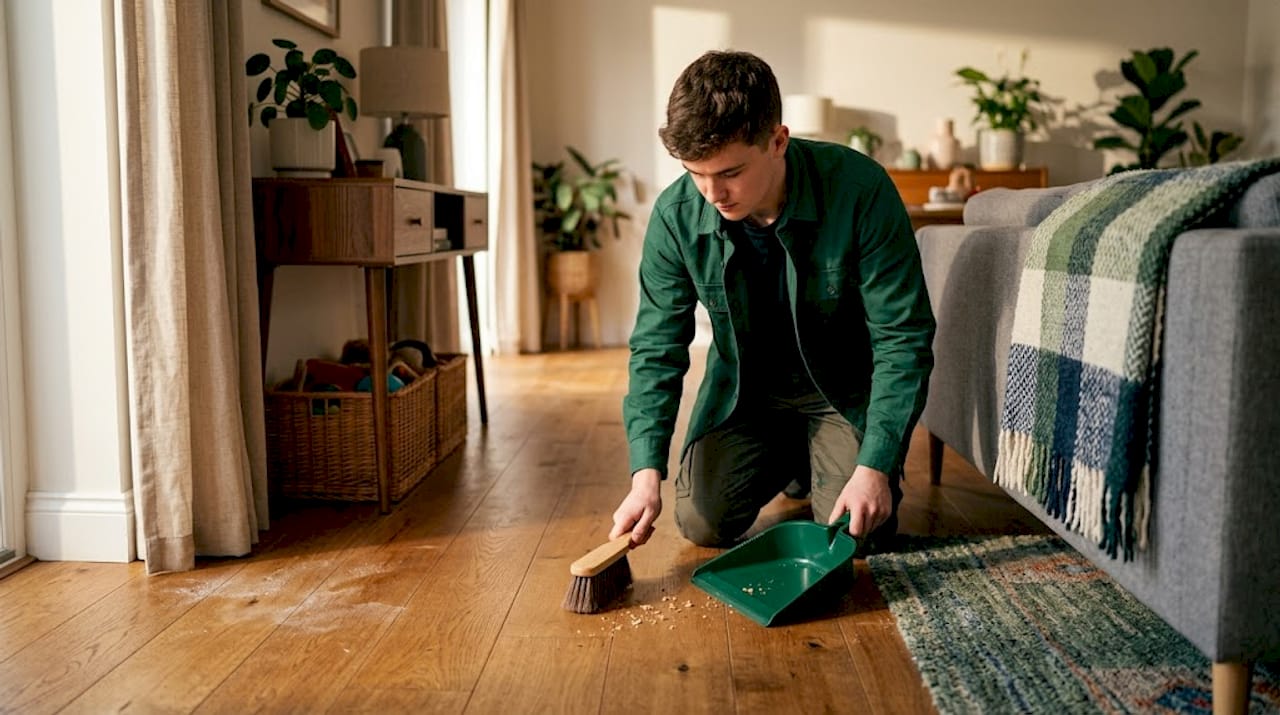
Once installed, hardwood floors need regular care to stay beautiful. Sweeping or vacuuming frequently removes grit that scratches the finish. Damp mopping with a wood-safe cleaner keeps the surface clean without introducing excess moisture. Over time, the finish wears down and the floor needs refinishing. Understanding the full scope of hardwood floor refinishing benefits helps you plan for that investment rather than be surprised by it. Solid hardwood can be refinished 5 to 8 times over its life. Engineered hardwood, depending on veneer thickness, can typically be refinished 1 to 3 times.
Modern finishing technology has also changed what refinishing looks like. UV curing for hardwood floors allows the finish to harden almost instantly under ultraviolet light, cutting curing time dramatically compared to traditional oil-based finishes. If you want a thorough walkthrough of the full refinishing process, the hardwood refinishing guide covers every stage from sanding to final coat.
Epoxy floors explained: Durability, design, and installation process
Epoxy flooring is a coating system, not a traditional floor material. It consists of a resin and a hardener that chemically bond when mixed, creating a rigid, plastic-like surface that adheres tightly to concrete. The result is a seamless, non-porous floor that resists water, stains, chemicals, and heavy foot traffic. Epoxy is most commonly used in garages, basements, laundry rooms, and commercial spaces, but it is increasingly popular in modern residential kitchens and open-plan living areas.
Installation follows a specific sequence. First, the concrete surface must be thoroughly cleaned and profiled, usually by grinding or acid etching, so the epoxy bonds properly. Any cracks or divots get filled. Then the epoxy is applied in layers: a primer coat, a broadcast layer if decorative chips or flakes are being added, and one or more topcoats for protection. Curing typically takes 24 to 72 hours before light foot traffic, and up to a week before heavy use.
Key benefits of epoxy flooring include:
- Moisture resistance. Epoxy creates a waterproof barrier over concrete, making it ideal for below-grade spaces like basements.
- Chemical resistance. Spills from cleaners, oils, and other household chemicals wipe up without staining.
- Design flexibility. You can choose from solid colors, metallic effects, quartz blends, or decorative chip systems to create a custom look.
- Durability under load. Epoxy handles heavy furniture, appliances, and foot traffic without denting or scratching the way wood can.
- Easy maintenance. A damp mop and a mild cleaner keep epoxy looking sharp with minimal effort.
For a complete breakdown of what epoxy can do for your home, the epoxy floor coating page covers material options and finishes in detail. If you have specific questions about the process, the epoxy floor FAQs page addresses the most common homeowner concerns before they become surprises.
Pro Tip: The single biggest reason epoxy floors fail is poor surface preparation. Concrete must be clean, dry, and properly profiled before any coating goes down. Grinding is more reliable than acid etching for most residential applications. Skipping or rushing this step leads to peeling within months.
One limitation worth knowing: epoxy can yellow over time when exposed to direct sunlight, so UV-stable topcoats are important for rooms with large windows. Epoxy can also feel harder underfoot than wood, which some homeowners notice after long periods of standing. If you want a single contractor to handle multiple floor types across your home, turnkey floor services streamline the process considerably.
Hardwood vs epoxy: Direct comparison of pros, cons, and costs
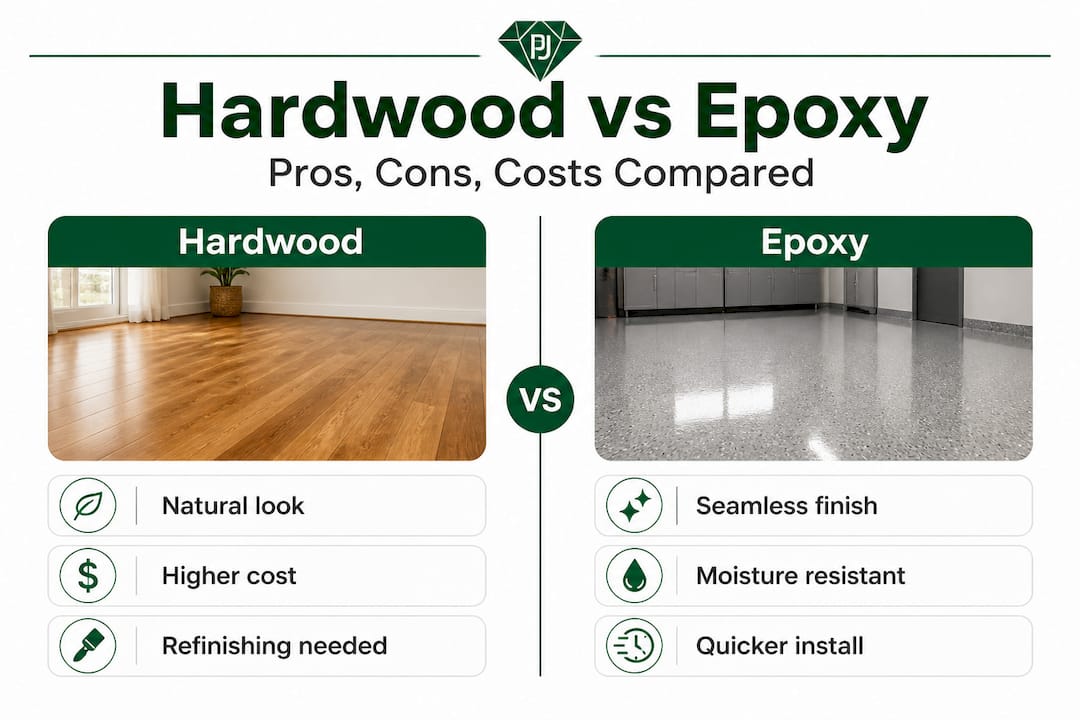
Now that you understand how each floor type works, here is a direct side-by-side comparison to make your decision easier.
| Feature | Hardwood | Epoxy |
|---|---|---|
| Appearance | Warm, natural, classic | Modern, seamless, customizable |
| Durability | Good, can be scratched | Excellent, resists most damage |
| Moisture resistance | Low to moderate | Very high |
| Cost (installed) | $8 to $20+ per sq ft | $3 to $12 per sq ft |
| Maintenance | Periodic refinishing needed | Simple cleaning, occasional recoating |
| Resale impact | Strong positive effect | Neutral to positive (room dependent) |
| Best locations | Living rooms, bedrooms, dining areas | Garages, basements, kitchens, laundry rooms |
| Installation time | 3 to 7+ days including acclimation | 2 to 5 days including cure time |
| Lifespan | 25 to 100+ years with refinishing | 10 to 20 years before recoating |
Here is a numbered breakdown of the most important decision factors for homeowners:
- Location in the home. Hardwood thrives in living rooms and bedrooms. Epoxy performs better in moisture-prone areas like basements and garages.
- Subfloor type. Concrete subfloors limit your hardwood options to engineered products. Epoxy works directly on concrete with proper prep.
- Budget. Epoxy typically costs less upfront. Hardwood costs more to install but adds more to resale value in living spaces.
- Maintenance tolerance. If you want low-effort floors, epoxy wins. If you are comfortable with periodic refinishing, hardwood rewards that investment.
- Aesthetic goals. Hardwood creates warmth and a traditional feel. Epoxy offers a sleek, modern look with more color variety.
The moisture sensitivity gap between these two materials is significant. Proper subfloor preparation is critical for hardwood over concrete, while epoxy actively seals the surface against moisture intrusion. This distinction alone often determines which material belongs in a given space.
For homeowners who already have hardwood and want to restore rather than replace, exploring hardwood refinishing services is often the most cost-effective path. The hardwood refinishing overview explains what the process involves and what results you can realistically expect. For ongoing care guidance, the floor care tips blog covers seasonal maintenance and product recommendations.
Making the choice: What matters most for homeowners in the tri-state area
Living in New Jersey, New York, or Pennsylvania adds a specific layer of complexity to any flooring decision. The tri-state area experiences hot, humid summers and cold, dry winters. That seasonal swing in humidity causes wood to expand in summer and contract in winter. Solid hardwood is especially vulnerable to this movement, which is why engineered hardwood or epoxy often makes more practical sense in basements or rooms with concrete subfloors.
Here are the lifestyle factors that should shape your final decision:
- Kids and pets. Epoxy handles scratches and spills better in high-traffic family spaces. Hardwood can be refinished after damage, but it requires that investment.
- Entertaining. Hardwood creates a warmer, more inviting atmosphere for dining and living areas. Epoxy looks sharp in modern open kitchens.
- Allergies. Hard surface floors, both hardwood and epoxy, do not trap allergens the way carpet does. Epoxy’s seamless surface is especially easy to keep clean.
- Resale plans. Hardwood in living areas and bedrooms consistently attracts buyers and supports higher offers. Epoxy in a garage or basement is a bonus feature, not a primary selling point.
“Every installation we do in the tri-state area starts with moisture testing. It does not matter whether we are putting down engineered hardwood or prepping for epoxy. Skipping that step is the fastest way to turn a beautiful renovation into an expensive repair.”
The mistake we see most often is homeowners trying to install solid hardwood directly on a concrete slab without a proper subfloor. As installation guidelines confirm, solid hardwood simply cannot go over concrete safely. It will absorb moisture, swell, and eventually buckle. Engineered hardwood with a vapor barrier is the correct solution in that scenario.
For homeowners who want fast turnaround with minimal disruption, UV-cured hardwood floors can be refinished and cured in a single day, which is a significant advantage if you cannot vacate your home for multiple days. If you need multiple floor types addressed across different rooms in one project, turnkey floor services handle everything under one roof.
Why the right flooring decision is more personal than you think
Here is something most flooring articles will not tell you: the “best” floor is rarely about which material scores highest on a performance chart. It is about how you actually live in your home.
We have seen homeowners choose light-colored engineered hardwood in a small living room and immediately notice how much larger and brighter the space feels. Floor color and finish affect perceived room size more than most people realize. Light floors reflect more light and open up a space visually. Dark floors add drama and warmth but can make a room feel smaller. That is a design factor that no comparison table captures.
We have also seen families with dogs choose epoxy for their mudroom and main hallway, then use hardwood in the bedrooms where traffic is lighter and comfort matters more. That kind of room-by-room thinking produces better results than picking one material for the whole house.
Allergies are another factor that rarely gets discussed. Epoxy’s seamless surface has no grout lines, seams, or gaps where dust mites and pet dander can accumulate. For family members with respiratory sensitivities, that detail matters. The floor care blog covers allergy-friendly floor care practices that apply to both hardwood and epoxy.
The hard-won lesson from years of working in tri-state homes: local climate and daily routines consistently outweigh price and trend in determining long-term satisfaction. A floor that looks stunning in a showroom but fights your home’s humidity levels or your family’s lifestyle will frustrate you within a year.
Pro Tip: Before committing to any floor, get physical samples and live with them in your actual space for a few days. Look at them in morning light, afternoon sun, and evening lamp light. The color and sheen will look different at each time of day, and that variation is what you will actually live with.
Take the next step: Professional flooring solutions for your home
You now have a clear picture of what separates hardwood from epoxy, where each material excels, and what your specific home and lifestyle demand. The next step is working with a team that knows both materials deeply and serves your area.
Since 2014, Polished JEMM Floor Care has helped tri-state homeowners make confident flooring decisions backed by real craftsmanship and eco-friendly products. Whether you are ready to restore existing hardwood with hardwood refinishing services, transform a basement or garage with epoxy floor coating services, or tackle a full renovation through turnkey floor renovation, we bring the same meticulous attention to every project. Reach out today and let us help you choose and install the floor your home deserves.
Frequently asked questions
Can hardwood flooring be installed directly over concrete?
Only engineered hardwood can be safely installed over concrete, and it requires moisture testing and acclimation before installation. Solid hardwood must have a wood subfloor between it and the concrete slab.
How long does it take to install epoxy flooring compared to hardwood?
Epoxy typically allows light foot traffic within 24 to 48 hours after application, while hardwood installation requires 3 to 7 days for wood acclimation alone before any boards are laid.
Which flooring is more resistant to moisture: hardwood or epoxy?
Epoxy is significantly more moisture-resistant because it forms a seamless, waterproof barrier over concrete, making it the better choice for basements and areas prone to spills or humidity.
Do hardwood and epoxy floors differ in maintenance?
Hardwood requires periodic sanding and refinishing to restore its finish over time, while epoxy needs only regular cleaning and occasional recoating if the surface becomes worn or chipped.